GPT Image 2.5 product photo prompts
Verified against OpenAI documentation on 2026-09-09
A product photo prompt is really a lighting diagram written in words. These GPT Image 2.5 product photo prompts name the camera and lens, state where the light comes from and how hard it is, then describe the surface the object sits on. Change the object and keep the lighting language, and you have a repeatable studio setup.
What makes these work
- 01
Name a camera body and a lens, such as an 85mm on a full frame body or a 100mm macro. The focal length does more to control perspective and background compression than any adjective about quality.
- 02
State the light source, its direction and its quality separately. A large softbox at forty five degrees camera left, a bare strip light behind, and hard midday sun through a window give three completely different products.
- 03
Name the surface and the backdrop as materials, not colours. Brushed concrete, oiled walnut, wet slate and background paper each bounce light differently, and the reflection under the product is what sells the shot.
- 04
Say what the reflection and shadow should do. A soft gradient shadow falling right, a hard shadow with a defined edge, or a mirror reflection on glossy acrylic are all separate decisions.
- 05
To hold one product identical across several angles, attach reference images of it rather than describing it again. The GPT Image line accepts up to 16 reference images per edit request, which is enough for a full angle set.
8 prompts
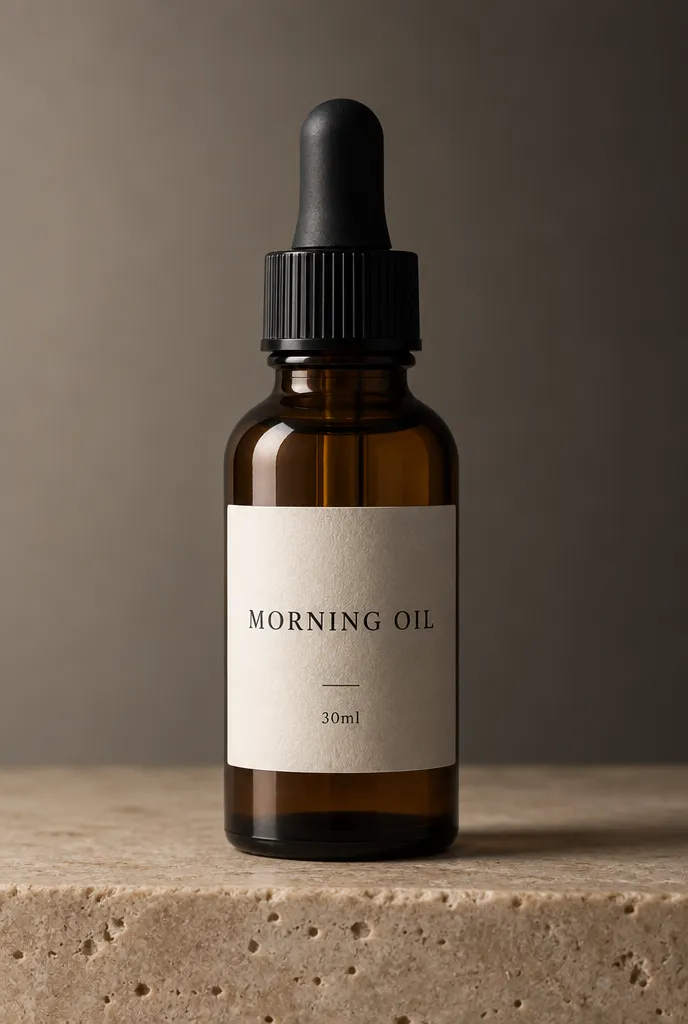
Amber serum dropper bottle
sunburst · high · 1024x1536 · 34s
Studio product photograph of a 30ml amber glass dropper bottle standing on a slab of honed travertine. Shot on a full frame camera with a 100mm macro lens at f8, camera at label height. A tall narrow softbox sits at forty five degrees camera left and creates a single soft vertical highlight down the glass. A black flag on the right keeps the opposite edge dark so the bottle separates from the background. The backdrop is warm grey paper falling into shadow. The label is matte uncoated paper and the product name reads "MORNING OIL". A thin second line beneath reads "30ml". Shadow falls short and soft to the right. No props, no water droplets.
Glass needs a bright source on one side and a black flag on the other, otherwise the edges vanish into the backdrop. The label text is short enough to render, so sunburst is worth the extra time.
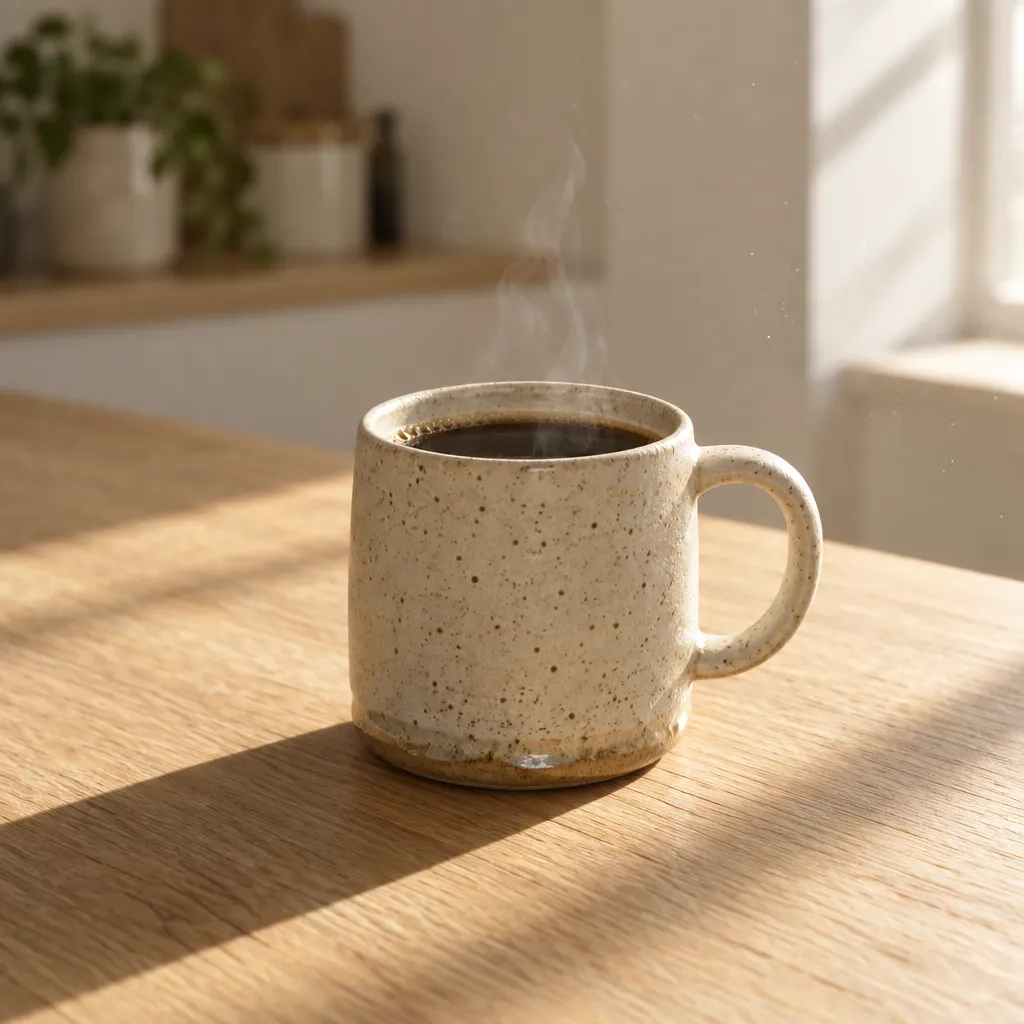
Stoneware mug in morning light
flare · medium · 1024x1024 · 28s
Lifestyle product photograph of a speckled cream stoneware mug on a pale oak table. Shot on a 50mm lens at f2 from slightly above seated eye level. Hard morning sunlight enters from a window at camera right and throws a long angular shadow across the grain, with a soft bounce filling the shaded side. Steam rises thinly from black coffee. The glaze is semi matte with a glossy pooled ring near the base. Background is an out of focus kitchen wall in warm white. Dust visible in the light shaft. Colours are warm and slightly desaturated. No hands, no saucer, no text anywhere.
Hard window light is a different instruction from studio light and gives you a shadow with a defined edge. Naming the glaze as semi matte with a pooled glossy ring is what stops ceramics reading as plastic.
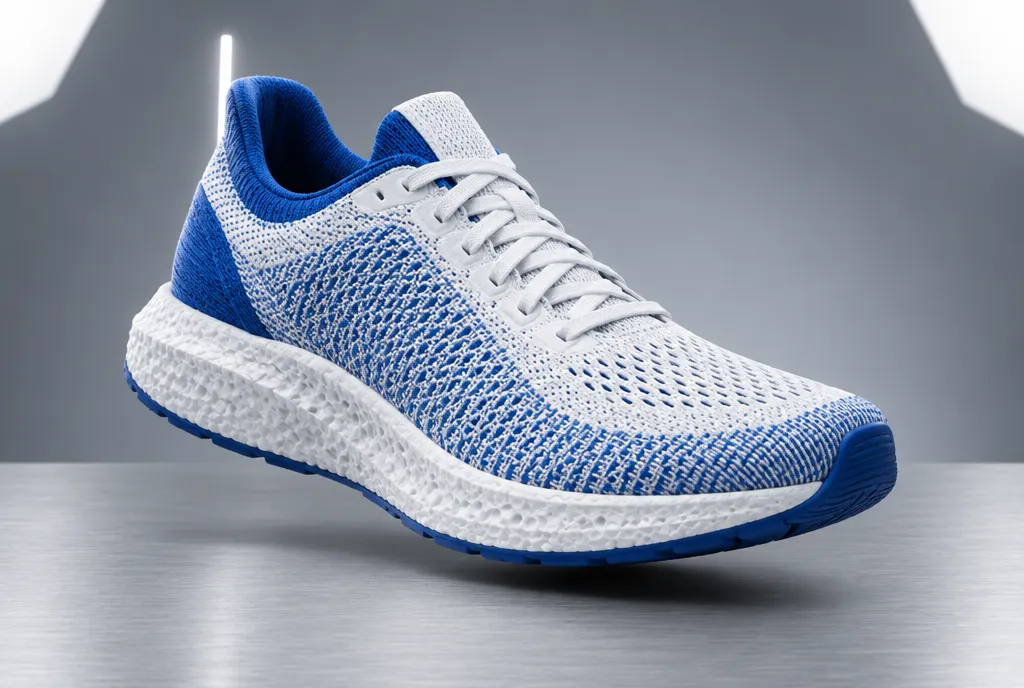
Running shoe hero angle
flare · xhigh · 1536x1024 · 25s
Commercial product photograph of a white and cobalt running shoe in a three quarter front view, floating just above a brushed aluminium surface. Shot on a 70mm lens at f11 for edge to edge sharpness. Two large softboxes sit high and wide, one each side, with a bare strip light behind the heel creating a rim on the collar. The knit upper shows individual yarn texture, the midsole foam shows open cell structure and the outsole rubber is matte with fine moulding lines. Background is a smooth cool grey gradient. A tight contact shadow sits under the sole. No laces trailing, no motion blur, no logos.
Three named materials on one object give the model a reason to vary the surface response across the shoe. Asking for f11 keeps the whole product sharp, which is how catalogue footwear is actually lit and shot.
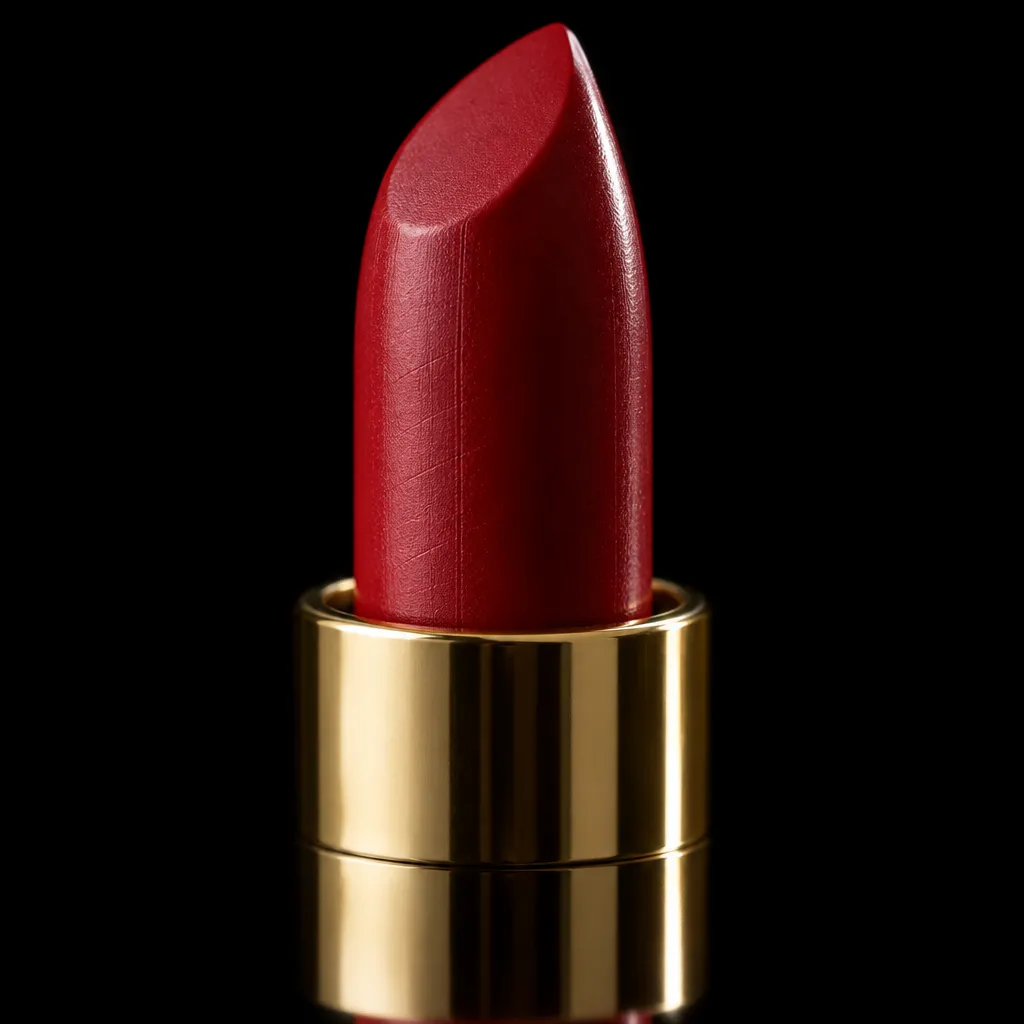
Lipstick bullet macro
flare · high · 1024x1024 · 29s
Extreme macro photograph of a deep red lipstick bullet twisted up from a polished brass case, standing on black acrylic. Shot on a 100mm macro lens at f5.6, framed so the bullet fills two thirds of the height. A small hard source above and slightly behind creates a crisp specular streak along the brass, while a white card at camera left lifts the shadow side. The lipstick surface is satin and shows faint tooling marks from the mould. The acrylic gives a clean mirror reflection below. Background is pure black falling to nothing. Very shallow depth of field on the case rim. No text.
Polished metal photographs as a reflection of the room, so the prompt describes the source shape rather than asking for shiny brass. Black acrylic is the standard trick for a clean mirror without a visible seam.
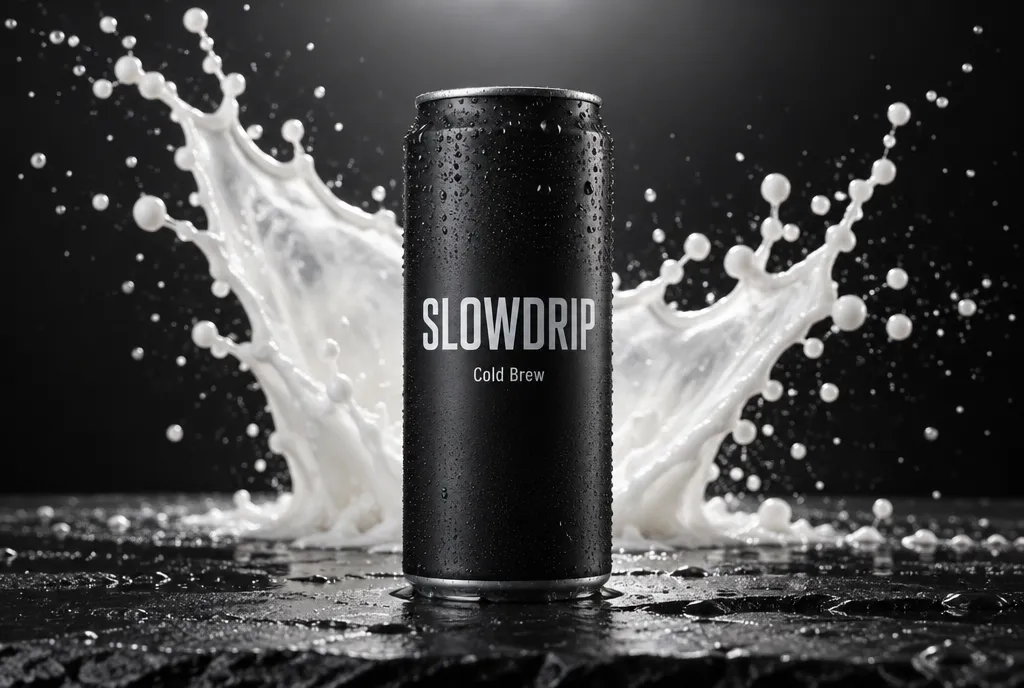
Cold brew can with splash
sunburst · high · 1536x1024 · 37s
Beverage product photograph of a slim matte black aluminium can on wet dark slate, with a frozen splash of milk arcing behind it. Shot on a 90mm lens at f13 with flash duration short enough to freeze every droplet. A large softbox sits directly behind and above, backlighting the splash so it glows, and two silver reflectors bring detail back onto the can face. Condensation beads sit on the upper third of the can. The label is a single flat white block and the brand name reads "SLOWDRIP". A smaller line under it reads "Cold Brew". Background is deep charcoal with a soft top light falloff.
Backlighting a liquid splash is the only way to get translucency, so the key light goes behind the subject and reflectors handle the product face. Two short quoted lines is about the safe limit for a curved can.
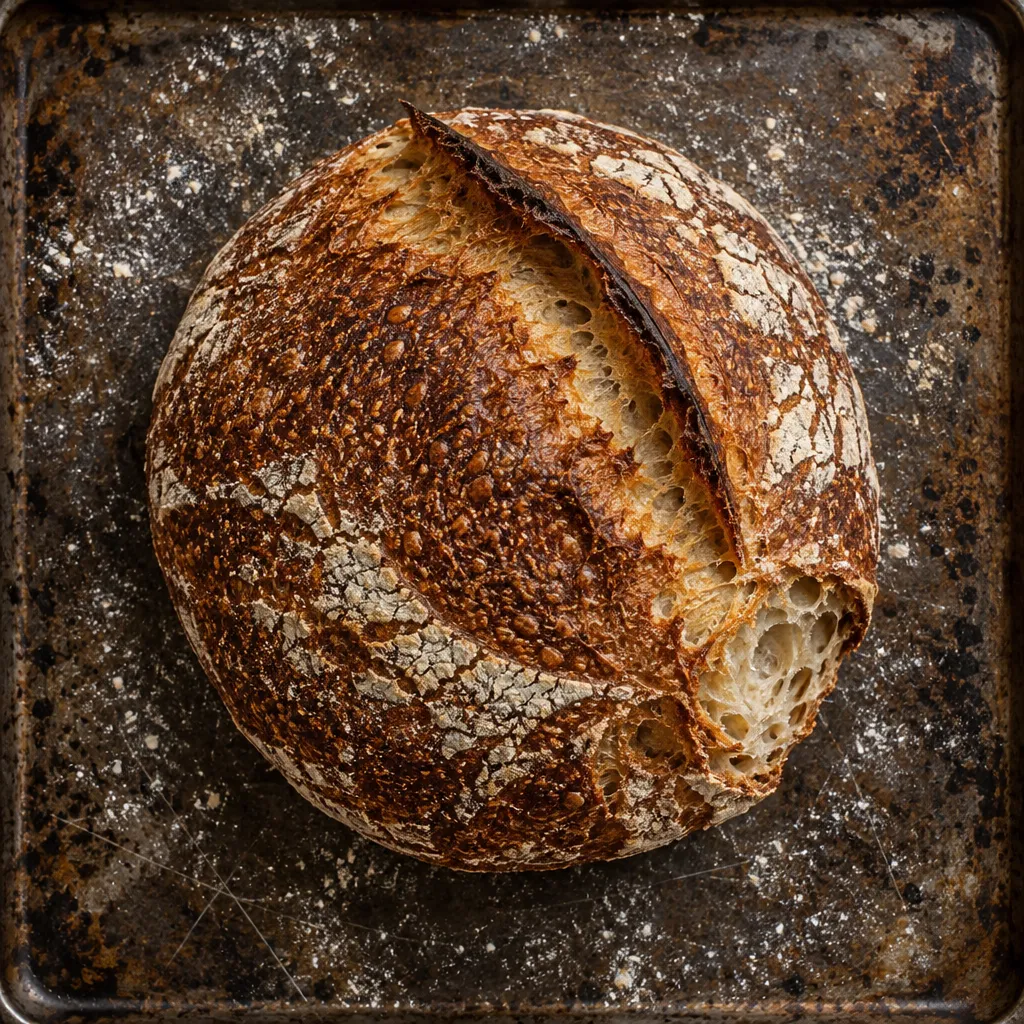
Sourdough loaf overhead
flare · high · 1024x1024 · 26s
Overhead food photograph of a scored sourdough loaf on a floured steel baking tray. Shot on a 45mm lens at f6.3, camera directly above and level. A single large diffused source sits at the top of the frame and rakes across the crust, so the ear of the score casts a real shadow and the blistered surface reads as texture. Flour dust scatters across the tray. Crust is deep mahogany with pale cracks, and a torn end shows an open irregular crumb. Background is the tray itself, scratched and darkened with use. Colours warm, contrast moderate. No hands, no linen, no props.
Raking light from one edge is what makes bread crust look edible, because texture only appears where a shadow can form. A flat overhead shot needs the light offset or the whole loaf goes soft and grey.
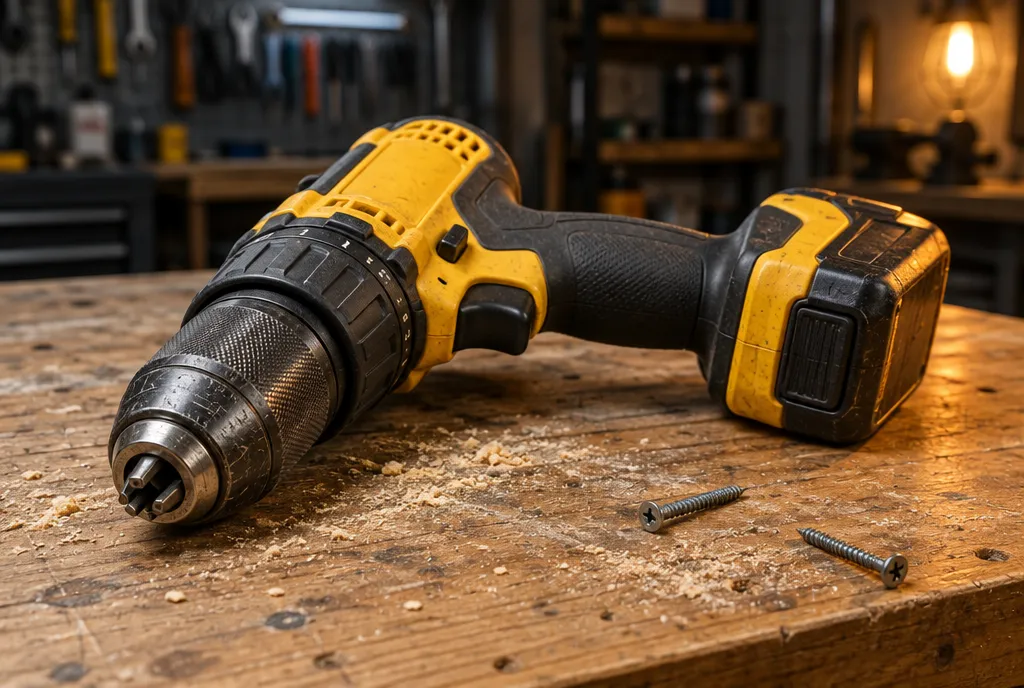
Cordless drill on workbench
flare · xhigh · 1536x1024 · 29s
Hardware product photograph of a yellow and black cordless drill lying on a scuffed pine workbench. Shot on a 35mm lens at f8 from a low three quarter angle so the chuck leads the frame. Overhead shop light provides a broad soft key, with a warm practical bulb at camera right adding a second amber highlight along the battery pack. The housing is textured injection moulded plastic with a rubber overmould grip, and the chuck is knurled steel with visible wear. Sawdust and two loose screws sit on the bench. Background falls into a dim workshop with tools out of focus. No brand marks.
A second warm practical light gives an industrial product two different highlight colours, which reads as a real workshop rather than a studio cutout. Naming injection moulded plastic and knurled steel separates the materials.
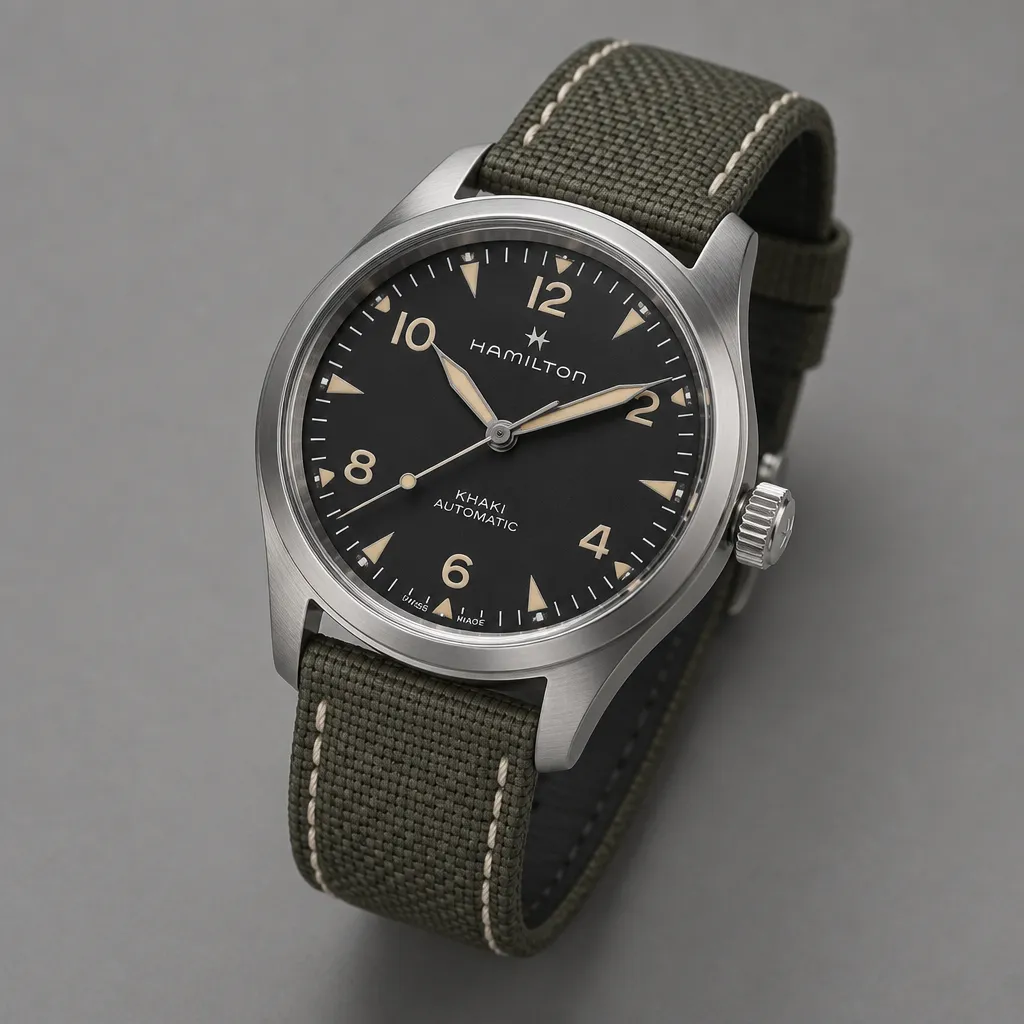
Watch matched second angle
sunburst · high · 1024x1024 · 29s
Using the attached reference images of the watch, produce a second studio angle of the same watch with nothing about the product changed. Keep the case shape, dial layout, hand style, indices, strap texture and stitching exactly as they appear in the references. Move the camera to a forty five degree three quarter view from slightly above, shot on a 100mm macro lens at f9. Keep the same lighting setup: a large softbox overhead and slightly behind, a white card below to lift the dial, a black card at camera left for the case edge. Same mid grey paper background, same soft contact shadow. Do not restyle, recolour or redesign any part.
Holding a product identical across angles is an edit task, not a generation task, so it goes to sunburst with references attached. Listing the specific features to preserve is more effective than saying keep it the same.
Frequently asked questions
How do I keep the same product across several photos?
Attach reference images of the product and write the follow up as an edit rather than a fresh generation. The GPT Image line accepts up to 16 reference images per edit request, so you can supply front, side and detail shots at once. Then name the features that must not change, such as the dial layout, the stitching and the case shape.
Why do my product shots look like renders instead of photographs?
Usually the lighting is too clean and the surfaces are too perfect. Give the light a shape and a direction, add a black flag or a bounce card, and describe wear on the material. Fine moulding lines, scuffs on a bench, tooling marks on a bullet and a scratched tray all read as evidence that a real object was in front of a camera.
Does naming a camera and lens actually change anything?
Focal length changes perspective, so a 35mm on a drill and a 100mm macro on a lipstick produce genuinely different geometry and background compression. Aperture changes how much stays sharp. Those two numbers do more work than words like professional or high end, which describe an impression rather than an optical choice.
Which model should I use for packshots with labels?
Use gpt-image-2.5-sunburst whenever a label, a weight or a variant name has to read correctly. Use gpt-image-2.5-flare, the faster default, for lifestyle frames and texture studies where no text appears. Keeping label copy to a short quoted phrase of a few words is where rendered type tends to hold up best.
What surface should I put the product on?
Pick the material before the colour. Honed travertine, brushed aluminium, wet slate, black acrylic and oiled oak each produce a distinct reflection and contact shadow, and that reflection is most of what makes the product feel physically present. A colour name alone gives the model no information about how light behaves under the object.